Bio
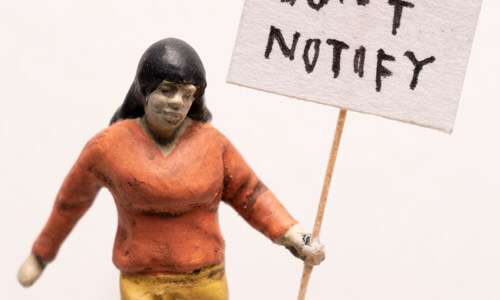
Thomas Doyle was born in Michigan, USA and now lives and works in New York. Doyle’s work combines his formal training as a painter and printmaker with a fascination with scale models that began at an early age. His sculptures, rendered in 1:100 to 1:43 scale, often depict human figures beset by quiet calamities, often of the natural kind. Doyle’s work has been shown at the Diesel Art Gallery, in Tokyo, Japan (2019), Hudson River Museum, in Yonkers, New York (2016) the Centro di Cultura Contemporanea at the Palazzo Strozzi, Florence (2012); Museum of Arts and Design, New York (2011); and at museums and galleries across the US, Europe, and Asia. His work has been appeared in the opening credits for the HBO series Murder on Middle Beach, as well as in The New York Times Magazine, The New Yorker, Newsweek, and other publications. He is a MacDowell Colony fellow.
Statement
I make diorama-like artworks rendered in miniature scales that portray narrative-based scenes marked by the uncanny and the surreal. Using a combination of 3D modeling, traditional sculptural media, natural materials, and painting techniques, I create sculptures that range in size from just a few inches across to site-specific installations that cover tens of feet.
My works begin as pencil sketches, elements of which I will often render in three dimensions with digital modeling software. These modeled elements are then printed in resin, processed, painted, detailed, and finally situated within scale-model environments that I sculpt from styrene, wood, foam, papier mache, acrylics, and myriad other materials.
Working in miniature scales appeals to me the same way action figures, dollhouses, and shoebox dioramas did when I was a child: they allow me to create self-contained worlds in which I can bend the laws of reality to create the narrative scenes I envision. I use miniature materials as I would any other medium—as a conduit to communicate ideas, inspire awe, and draw users into the worlds I’ve created.
For the past decade, my practice has attempted to grapple with our current period of rapid technological and ecological change. My most recent works adopt a perspective perched amid the post-technological wastelands and flooded strip malls of the future. These works are meant to confront the question future civilizations will surely ask: What were people in the early 21st Century thinking?
Other work
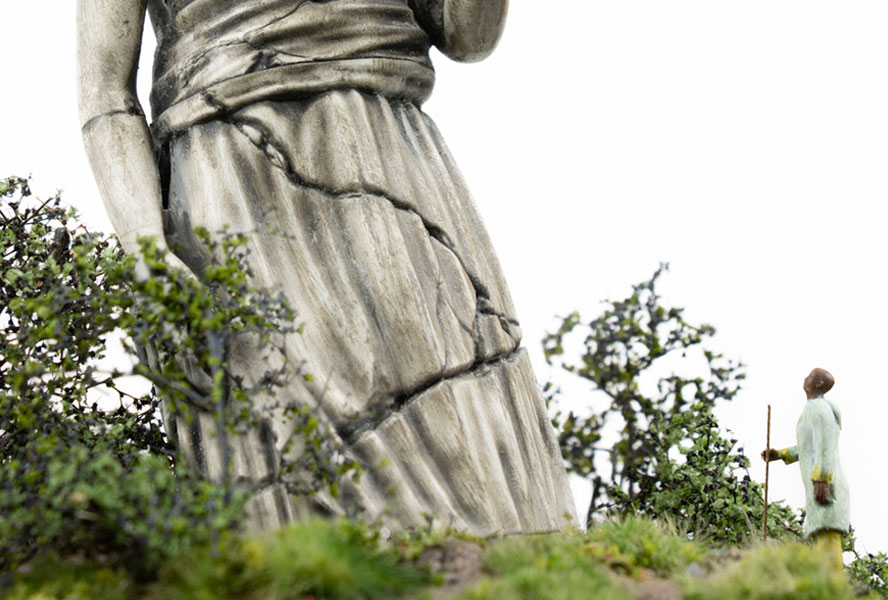
Clear History
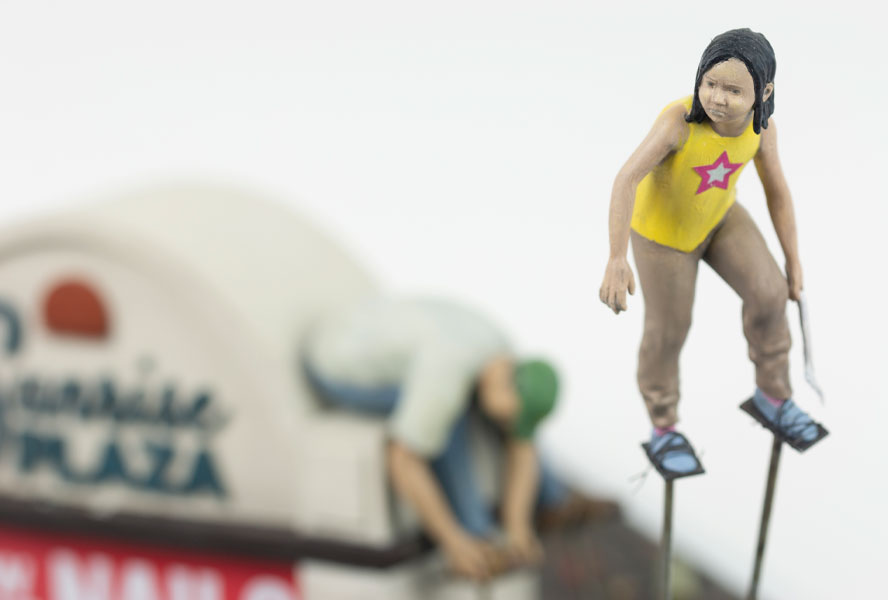
Falter
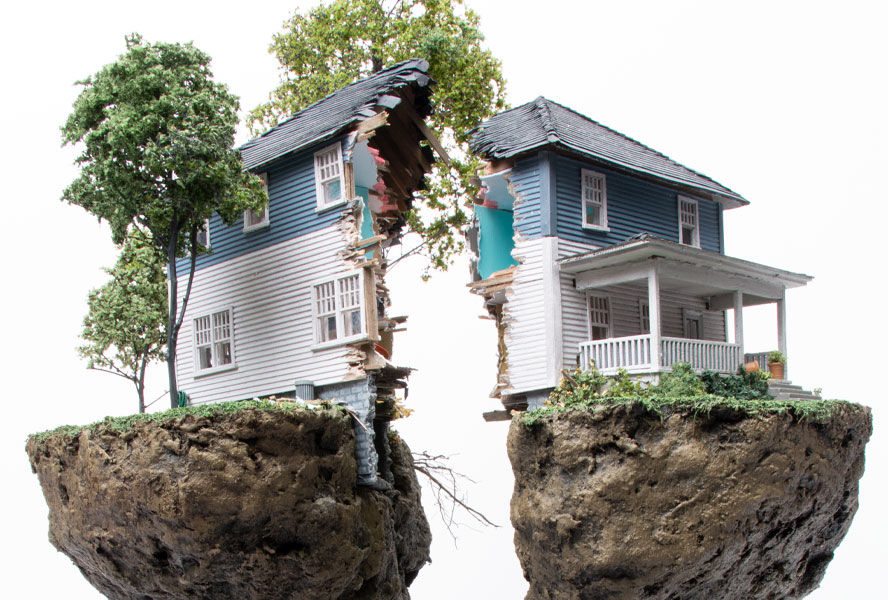
Distillation
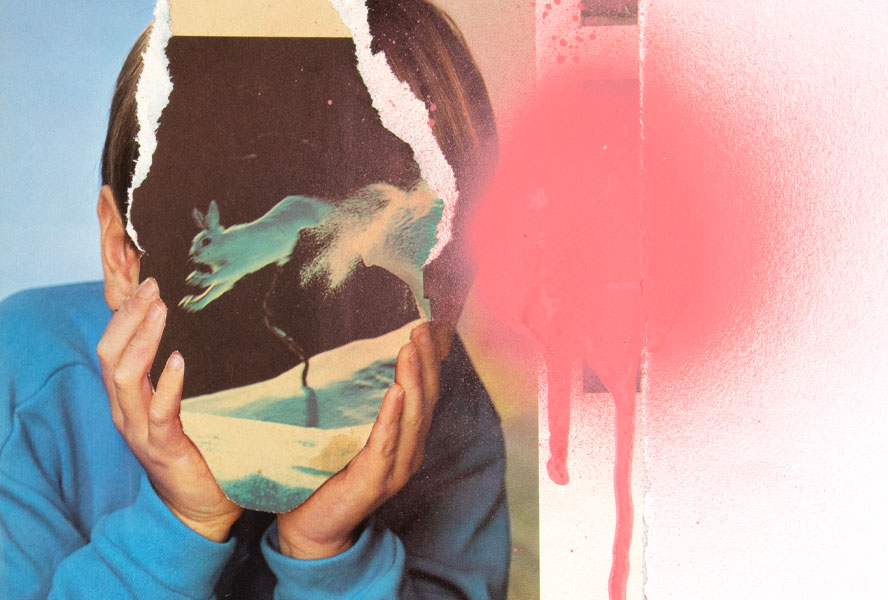
Debris Field
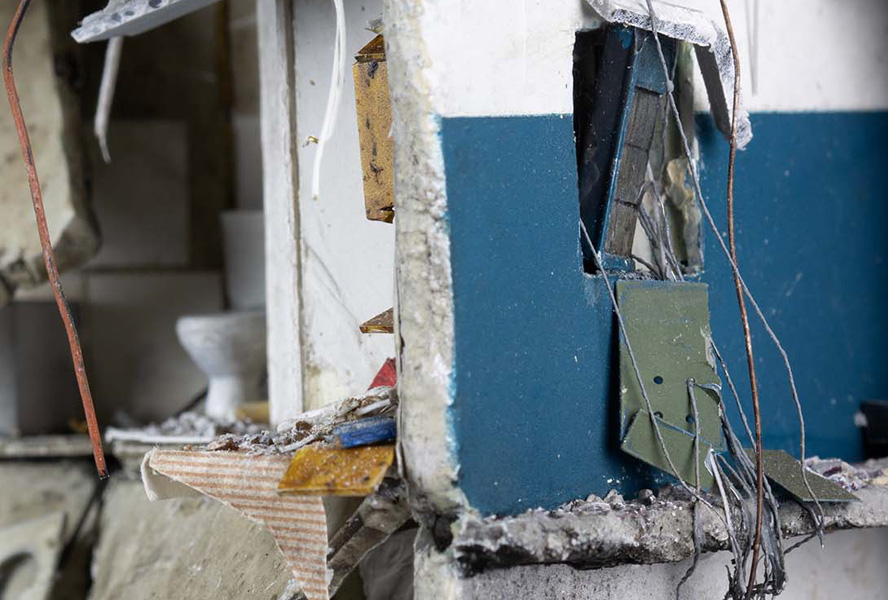
Documenting the War in Ukraine
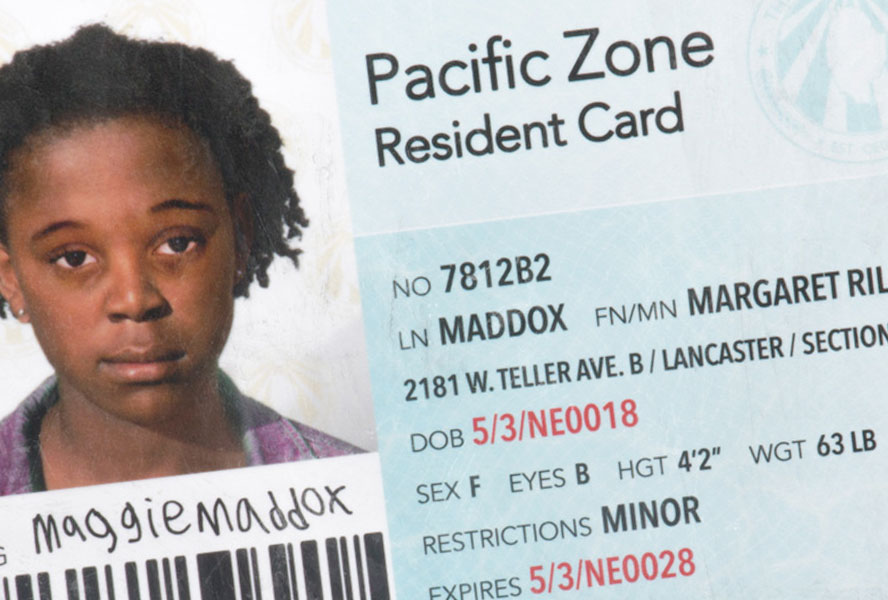
Arkology
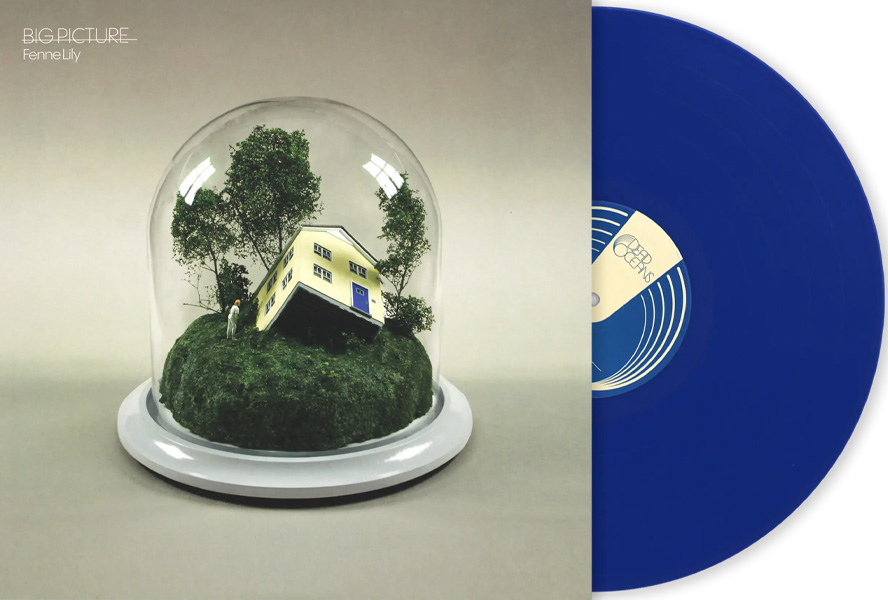
Media and Illustration Work
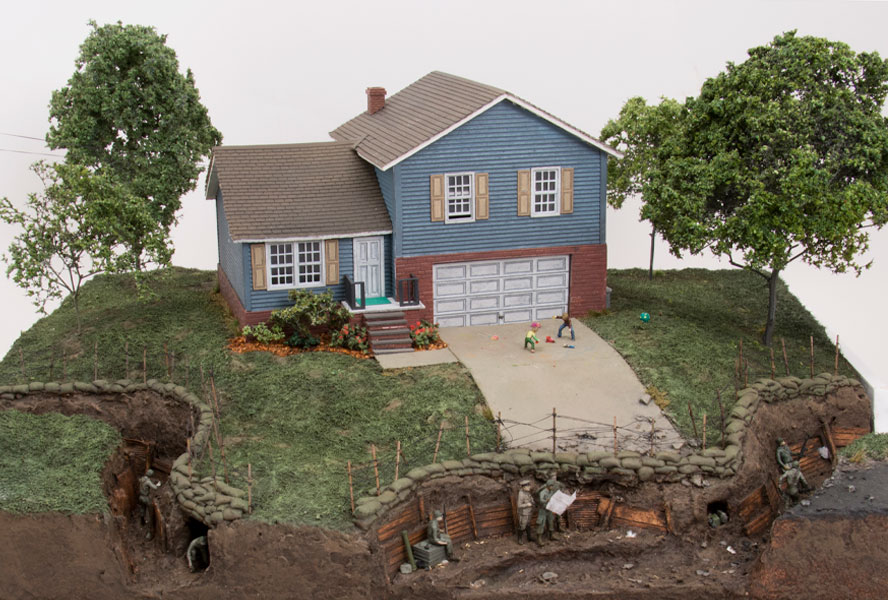
Proxy
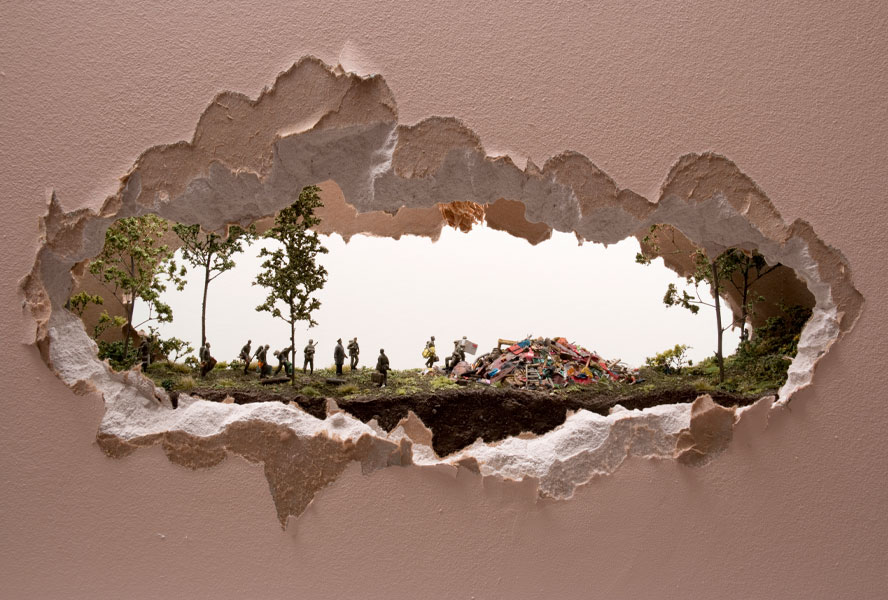
Pass-through
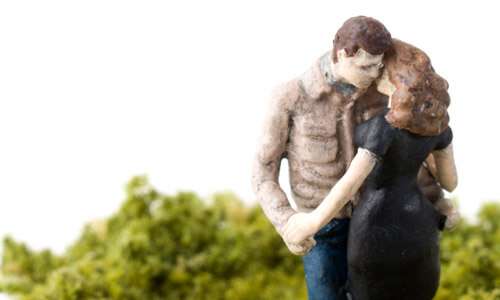
Reclamations
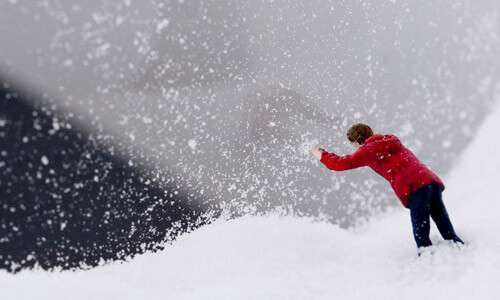
Bearings
Foregone